
For teams
Working without Burning Out
A three-hour workshop on stress, self-regulation and preventing exhaustion — with tools people use the next day. A good first measure for the 2027 plan.
Learn more →
Mental health at work
We help managers and teams handle what happens under pressure — the difficult conversation, the mistake, the high standard that stops helping. Close to you, on the Setúbal peninsula and in Lisbon, to help you and your organisation.
Our view
It is what happens in meetings where nobody disagrees, in the mistake hidden until it is too late, in the request for help that never gets made, in the manager who holds the team together and has nowhere to lean. It does not show up in a report — it shows up every day.
We believe in organisations where people can say “I don’t know”, make a mistake and fix it quickly, and ask for help before they need it. That does not come from a poster or an app. It is trained: in people, and above all in those who lead.
Prevention costs less than repair — and it starts with managers.
That is what we do: experiential training, designed by a psychologist who, before psychology, led an operation of around 150 people. We know what it is like on both sides.
How we help
Four ways in, depending on where you are.
For teams
A three-hour workshop on stress, self-regulation and preventing exhaustion — with tools people use the next day. A good first measure for the 2027 plan.
Learn more →For managers
A six-dimension pathway for those who lead: leading yourself before leading others, difficult conversations, high standards without a culture of fear. Managers are where effort pays off most.
Learn more →For high achievers
For high-standard teams: keeping the bar high without fear of failure as the engine, and recovering faster after a mistake.
Learn more →After the assessment
If your psychosocial risk assessment is done, we help put into practice the part of the action plan that involves training — with aggregated, anonymous reporting only.
Learn more →In person on the Setúbal peninsula and in Lisbon, or online. Training, not therapy — and people’s confidentiality is put in writing.
In tune with Europe
The European Agency for Safety and Health at Work is devoting its 2026-2028 campaign to mental health at work — “Healthy Workplaces: Together for mental health at work”. It started on 13 October, and the European Week for Safety and Health at Work runs from 19 to 24 October, online. In Portugal it is coordinated by the Working Conditions Authority (ACT).
And the Portuguese figures show why:
€13.3bn
in productivity lost by Portuguese companies in 2024 to stress and psychological health problems — an estimate the Order of Psychologists itself calls conservative.
OPP, 8 Oct 2026 (via Observador)2 in every 3 €
of that cost come from presenteeism (€8.9bn): people who are at work without being able to be well at it.
OPP, 8 Oct 2026 (via Observador)≈ 3/4
of the estimated cost falls on small and medium-sized companies — about €10.2bn.
OPP, 8 Oct 2026 (via Jornal Económico)45%
of EU workers are exposed to risks to their mental health at work; 29% report stress, anxiety or depression caused or made worse by work.
EU-OSHA, 13 Oct 2026MentesCristalinas is not a partner of the campaign and does not speak on its behalf — we share the topic. The official materials are free. See the campaign materials (EU-OSHA)
Start now
They work for any organisation — with or without us.
Pick an infographic or a campaign film and share it with your teams, with a sentence of your own on why it matters in your organisation.
Are psychosocial risks there, with measures and owners? Talk to your occupational safety and health services. For micro and small companies, the free OiRA tool helps you get started.
With seven or more people, the code must exist. Check, too, that people know where it is and whom to turn to.
Half an hour in a managers’ meeting on workload, breaks and how to ask for help. Managers shape the everyday life of their teams more than anyone.
Remind everyone of the support that already exists: the company’s health insurance or assistance programme, if there is one, and the SNS 24 line (808 24 24 24), which offers psychological counselling.
The framework
None of this is new; the campaign simply makes it more visible. A summary, which is not legal advice:
Ensure that exposure to psychosocial risk factors does not put workers’ safety and health at risk, and adapt work to reduce those risks.
Law 102/2009, art. 15(2)(f) and (g)Per worker per year, which may be delivered by the employer itself or by a certified training provider.
Labour Code, art. 131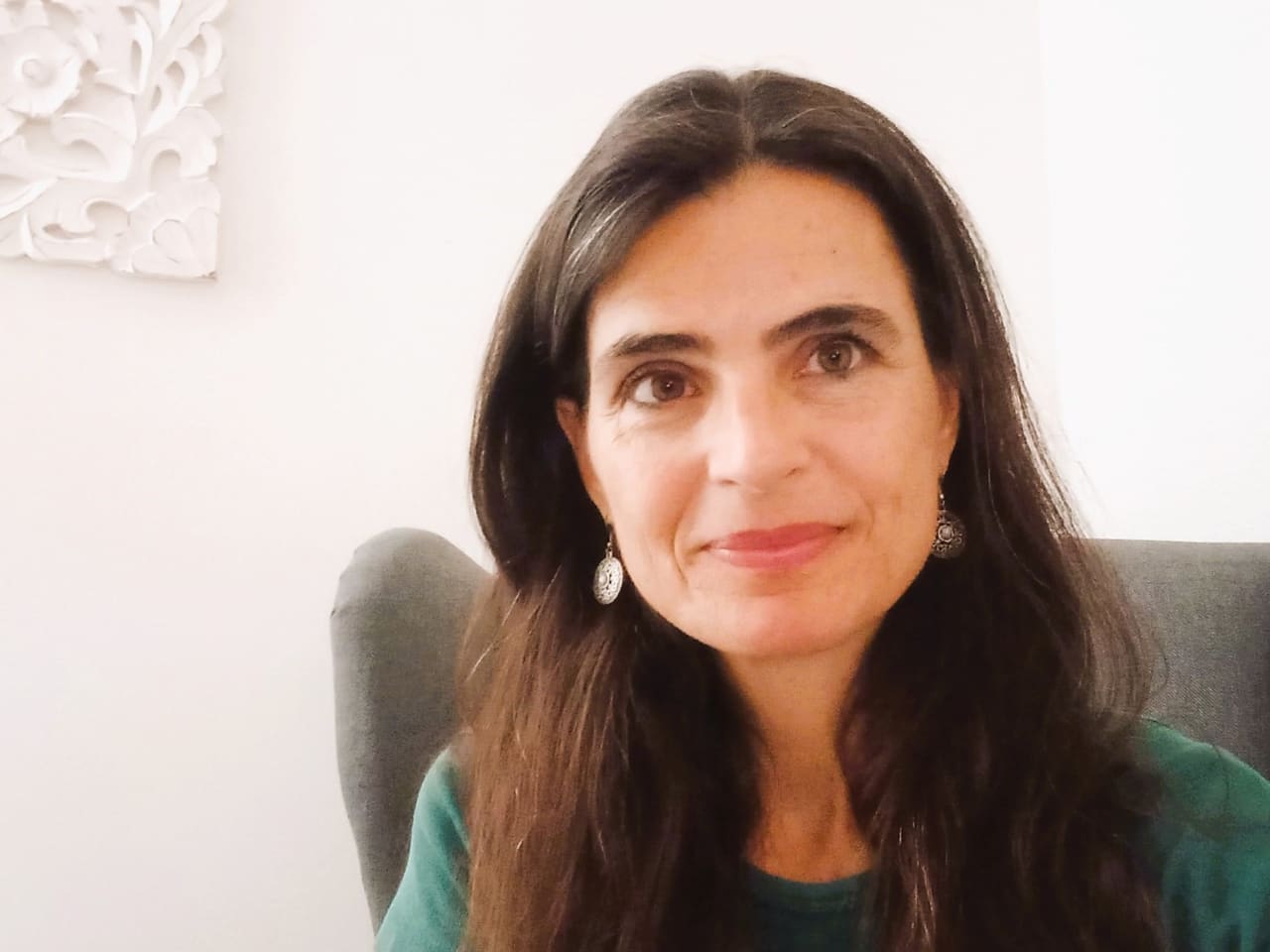
Who is here
Psychologist (OPP licence 26660) and trainer
Before psychology, she led an operation of around 150 people — she knows the pressure on those who manage and on those who are managed. Today she trains teams and managers in public and private organisations, from Setúbal.
Meet IsabelThey are aspects of how work is designed, organised and managed — workload and pace, autonomy, role clarity, relationships, harassment, change — that can affect the mental and physical health of workers. Assessing and preventing them is part of occupational safety and health obligations (in Portugal, Law 102/2009).
In 2026 it runs from 19 to 24 October, online, at the start of the “Together for mental health at work” campaign, which continues until 2028.
No. The risk assessment is a diagnosis, with instruments and a report; training is one of the prevention measures it may recommend, alongside measures on how work is organised.
It is not therapy, and nobody is assessed individually. The company receives attendance, the satisfaction evaluation and a closing note — always aggregated and anonymous, never data about specific people.
You don’t need to have the solution worked out. Start with a 30-minute conversation: we understand the challenge and tell you frankly what training can and cannot do.
Every fortnight, one idea well explained, one practice and the calendar — including notes for organisations.