
The Wound Beneath the World: Insecure Attachment and the Path to Collective Healing
1 June 2026 · 4 min read
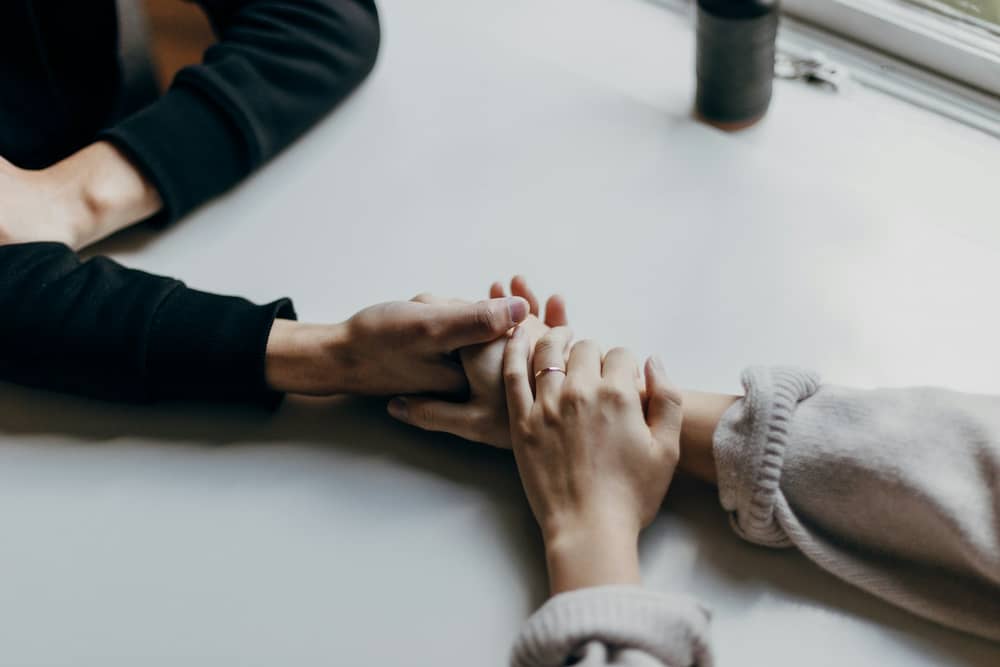
At the core of every human being lies a yearning: to be seen, to be safe, to be loved without conditions. This longing begins in childhood, in the eyes and arms of our caregivers. It is as babies — before we have language or logic — that our nervous system learns whether the world is a safe place in which to exist or a battlefield on which to survive. That initial connection, known in psychology as attachment, becomes the template for how we love, trust and relate — not only in our personal lives, but in the society we collectively shape.
Insecure attachment — whether avoidant, anxious or disorganised — arises when that early environment is neglectful, unpredictable or unsafe. A child learns to switch off their needs, to cling anxiously to connection, or to swing between the two under the sway of confusion and fear. These strategies are not failings; they are brilliant adaptations to emotional inconsistency. But, left unhealed, they become adult patterns of distrust, individualism, the need to please, flight from any conflict, or emotional reactivity.
Science tells us that these patterns are not merely relational — they are neurological. The brain of a person with insecure attachment is constantly wired for monitoring the outside world, becoming hypervigilant. The nervous system is primed and especially sensitive to rejection, threat or abandonment, even in moments of peace. Without the inner sense of safety that secure attachment provides, life can feel like walking through an eternal storm with no possibility of shelter.
And what happens when millions of people grow up with this storm inside? (An estimated 40 to 50% of the world's population has an insecure attachment style.) What happens when those wounds go unnoticed, unspoken, unhealed?
We get the world we live in today.
We see insecure attachment reflected in polarised politics, in rising anxiety and loneliness, in the deep distrust between people and institutions. We see it in the fear of vulnerability, in the addiction to productivity and in the epidemic of burnout. We see it in communities fractured by competition instead of connected by cooperation. When individuals are shaped by emotional insecurity, the systems they build — governments, economies, cultures — mirror that insecurity.
Insecure attachment is not merely a private pain. It is a public matter. It is the silent architect of our collective disconnection.
And yet, within this truth lies hope.
Attachment patterns are not unalterable. Neuroscience confirms that the brain is plastic — it can change, transform itself and re-create patterns of neural networks. Through secure relationships, therapy, mindfulness and emotional education, insecure attachment can become secure attachment. We can become for ourselves the parents we never had. We can relearn how to feel, to trust, to love — not only others, but our own frightened parts.
At the social level, when individuals begin to heal their emotional wounds, relationships begin to change. When relationships change, families, communities and cultures change.
A secure person does not need to dominate in order to feel safe, does not destroy others in order to feel respected, can hold nuance, navigate conflict and remain in balance even in emotional storms. Secure people become models of relational maturity, capable of building bridges where others burn them.
The state of the world today — with its crises, political fractures and mental health epidemic — can feel overwhelming. But beneath many of these surface symptoms lies a deeper wound: disconnection. From ourselves. From one another. From the earth. And healing that wound does not begin with great revolutions, but with subtle inner transformations: learning to be with our emotions, to make room for others, to risk real, deep connection.
Insecure attachment may be widespread, but it is not who we are. It is who we became in response to unmet needs. And those needs — for safety, love and belonging — are still alive within us, waiting to be met with compassion.
Transformation is not only possible — it is contagious. Each secure person becomes a wave of safety in the collective nervous system. And through those ripples, the world can remember what it means to feel whole again, and move towards a cohesive, united, compassionate World.
Be part of that change!
This article is psychoeducational — it helps you think things through, it does not diagnose, and it does not replace professional support. In crisis, don't wait: SNS 24 — 808 24 24 24 · Emergency: 112.